



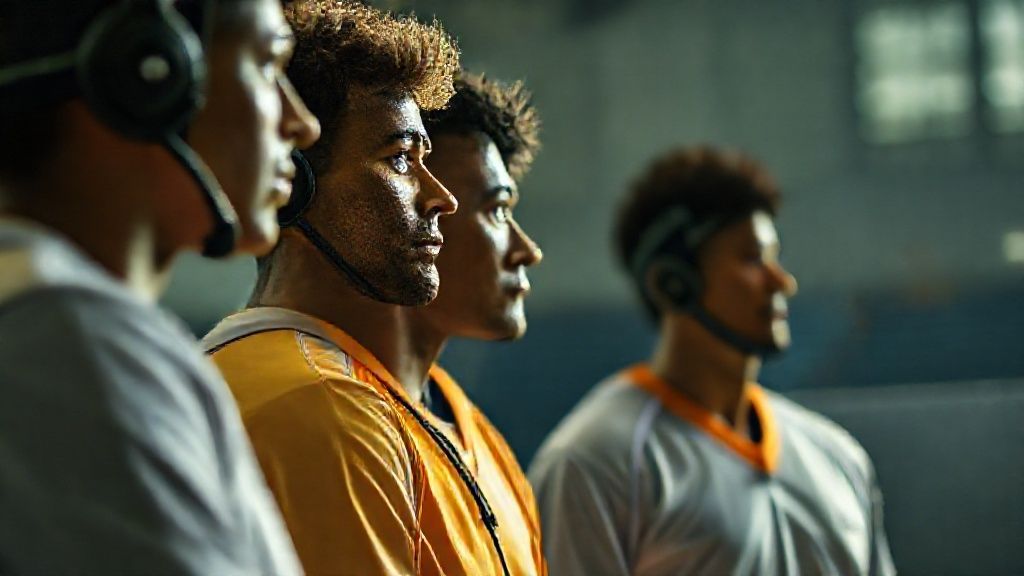
Sports Psychology Master’s Programs: Unlocking the Mind of Athletes
Sports psychology is a multidisciplinary field that combines psychology, exercise science, and sports medicine to understand the mental and emotional aspects of athletic performance. Pursuing a master’s degree in sports psychology can equip you with the knowledge and skills to work with athletes, coaches, and teams to optimize their performance and achieve success.
Why Pursue a Master’s in Sports Psychology?
-
Gain a deeper understanding of the psychological factors that influence athletic performance, such as motivation, anxiety, and confidence.
-
Learn how to apply psychological principles to improve team dynamics, leadership, and communication.
- Develop skills to work with athletes of all levels, from youth to professional, to enhance their mental toughness and resilience.
- Explore the intersection of sports and psychology, including the impact of sports on mental health and well-being.
- Prepare for a career as a sports psychologist, consultant, or coach, or pursue further education in a related field.
What to Expect in a Sports Psychology Master’s Program
A typical sports psychology master’s program consists of coursework, research, and practical experience. Some common courses include:
- Sports Psychology Theories and Models
- Motivation and Emotion in Sport
- Team Dynamics and Leadership
- Psychological Assessment and Intervention
- Research Methods in Sports Psychology
Students may also have the opportunity to work with athletes, coaches, and teams through practicum or internship experiences, applying theoretical knowledge to real-world situations.
Career Opportunities in Sports Psychology
A master’s degree in sports psychology can lead to a variety of career paths, including:
- Sports Psychologist: Work with athletes, teams, and organizations to enhance performance and well-being.
- Consultant: Provide expertise to coaches, teams, and organizations on sports psychology principles and practices.
- Coach: Apply sports psychology principles to develop and implement coaching plans.
- Researcher: Conduct studies and publish research on sports psychology topics, contributing to the field’s growth and understanding.
- Academic: Teach and conduct research in a university setting, preparing the next generation of sports psychologists.
Conclusion
Pursuing a master’s degree in sports psychology can be a rewarding and challenging experience, equipping you with the knowledge and skills to make a positive impact on the lives of athletes and teams. With a strong foundation in psychology, exercise science, and sports medicine, you’ll be well-prepared to succeed in this exciting and dynamic field.













Leave a comment